
Search
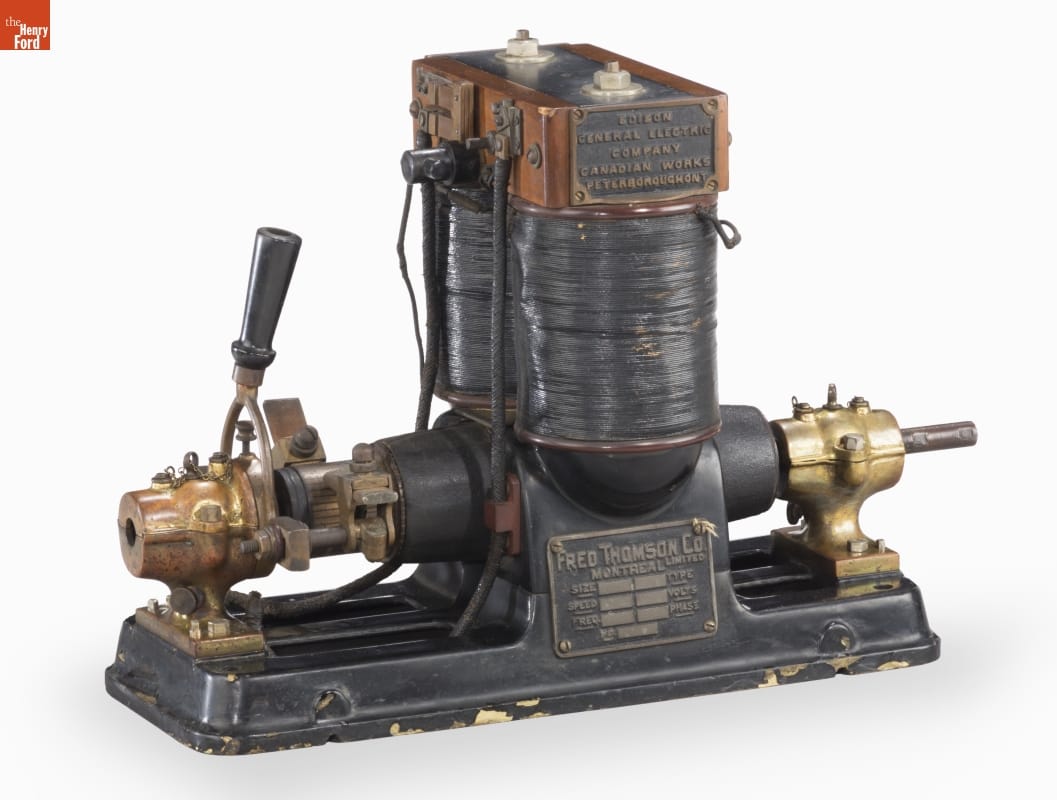
- Edison General Electric Company Type O Dynamo, 1889-1892 -
- 1889-1892
- Collections - Artifact
Edison General Electric Company Type O Dynamo, 1889-1892
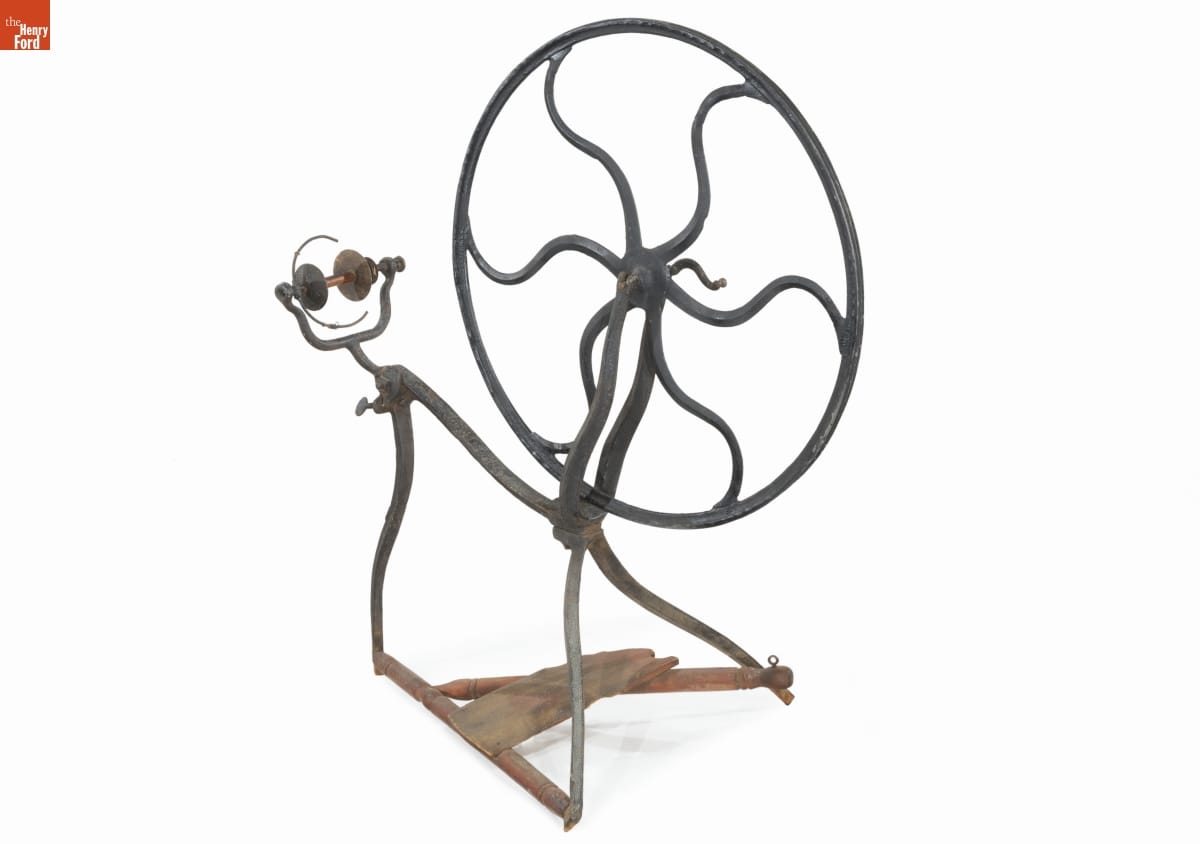
- Flax Wheel, 1883-1900 -
- 1883-1900
- Collections - Artifact
Flax Wheel, 1883-1900
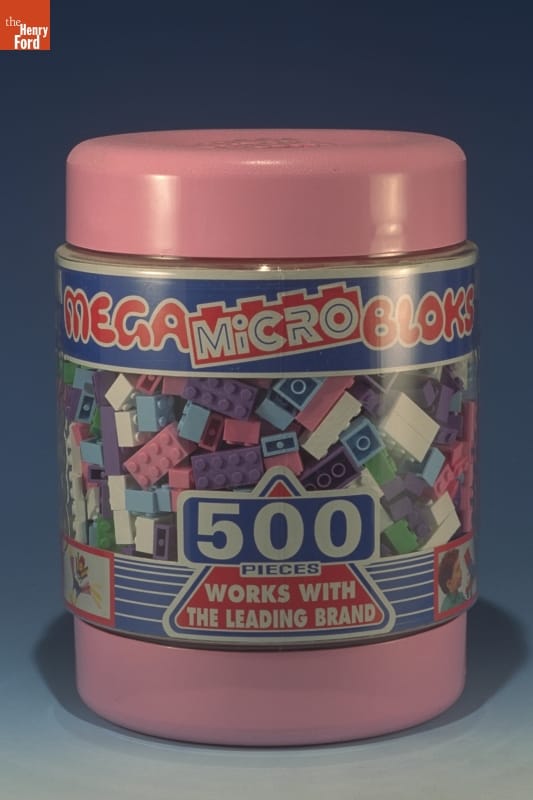
- "Mega Micro Bloks" Building Blocks, 1991 - In the late 1900s, American children enjoyed playing with plastic bricks. These Mega Micro Bloks look similar to Lego bricks -- the most well-known plastic construction bricks -- and were made to be compatible with "the leading brand." Other companies produced lookalike bricks with "stud-and-tube" connectors after Lego's patent expired in the 1980s.
- 1991
- Collections - Artifact
"Mega Micro Bloks" Building Blocks, 1991
In the late 1900s, American children enjoyed playing with plastic bricks. These Mega Micro Bloks look similar to Lego bricks -- the most well-known plastic construction bricks -- and were made to be compatible with "the leading brand." Other companies produced lookalike bricks with "stud-and-tube" connectors after Lego's patent expired in the 1980s.
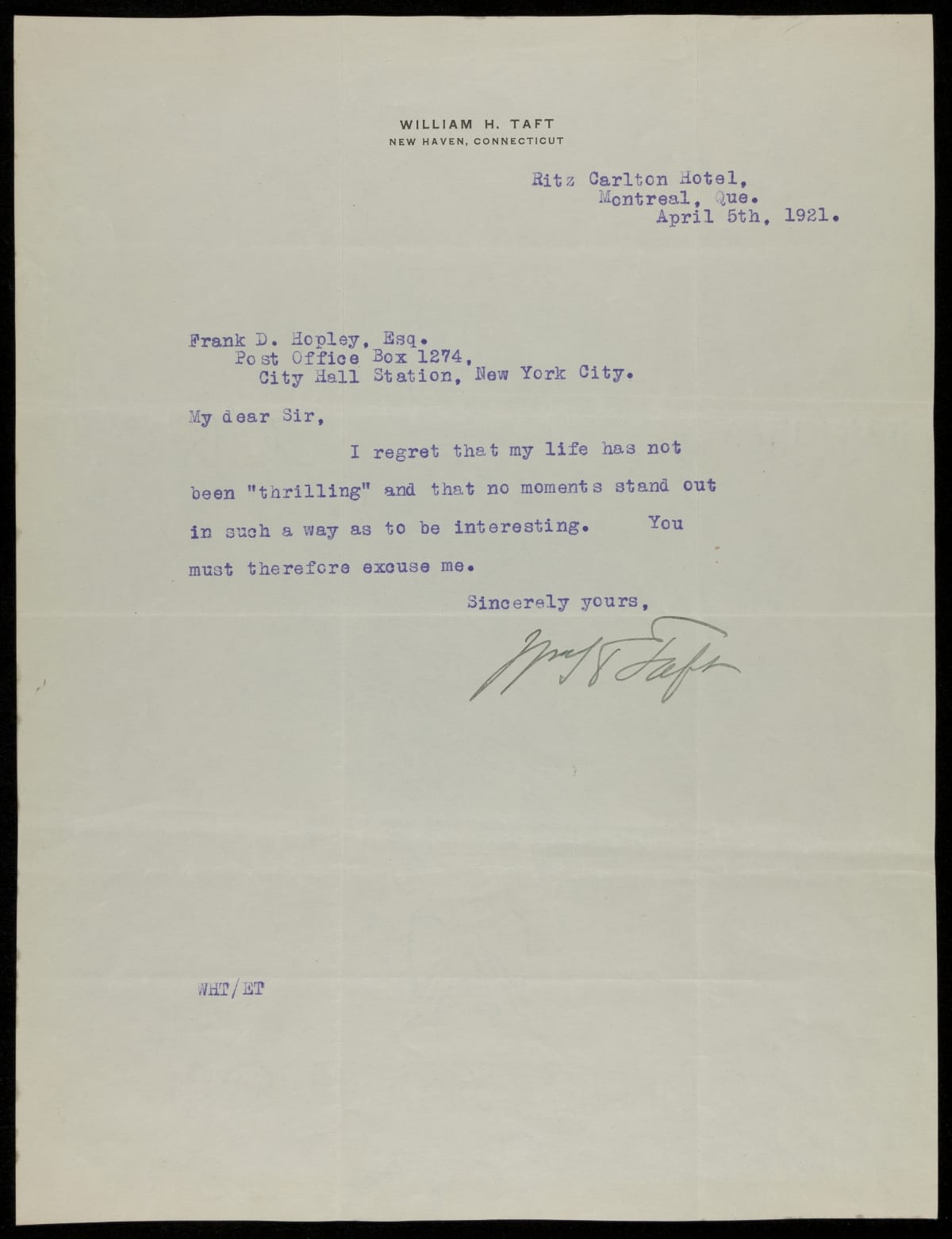
- Letter from William Howard Taft to Frank D. Hopley, April 5, 1921, "The Most Thrilling Moment of My Life" - Frank Dorrance Hopley (1872-1933) wrote a number of boy's books and authored stories and articles for national magazines and newspapers. In 1921, Hopley had an idea for an article--he would ask famous individuals to share their life's most thrilling moment. Former President William Taft responded that he would be unable to help as his life had not been "thrilling."
- April 05, 1921
- Collections - Artifact
Letter from William Howard Taft to Frank D. Hopley, April 5, 1921, "The Most Thrilling Moment of My Life"
Frank Dorrance Hopley (1872-1933) wrote a number of boy's books and authored stories and articles for national magazines and newspapers. In 1921, Hopley had an idea for an article--he would ask famous individuals to share their life's most thrilling moment. Former President William Taft responded that he would be unable to help as his life had not been "thrilling."
- "Yummy Dino Buddies" Dinosaur-Shaped Chicken Breast Nuggets Box, 2023 -

- 2023
- Collections - Artifact
"Yummy Dino Buddies" Dinosaur-Shaped Chicken Breast Nuggets Box, 2023
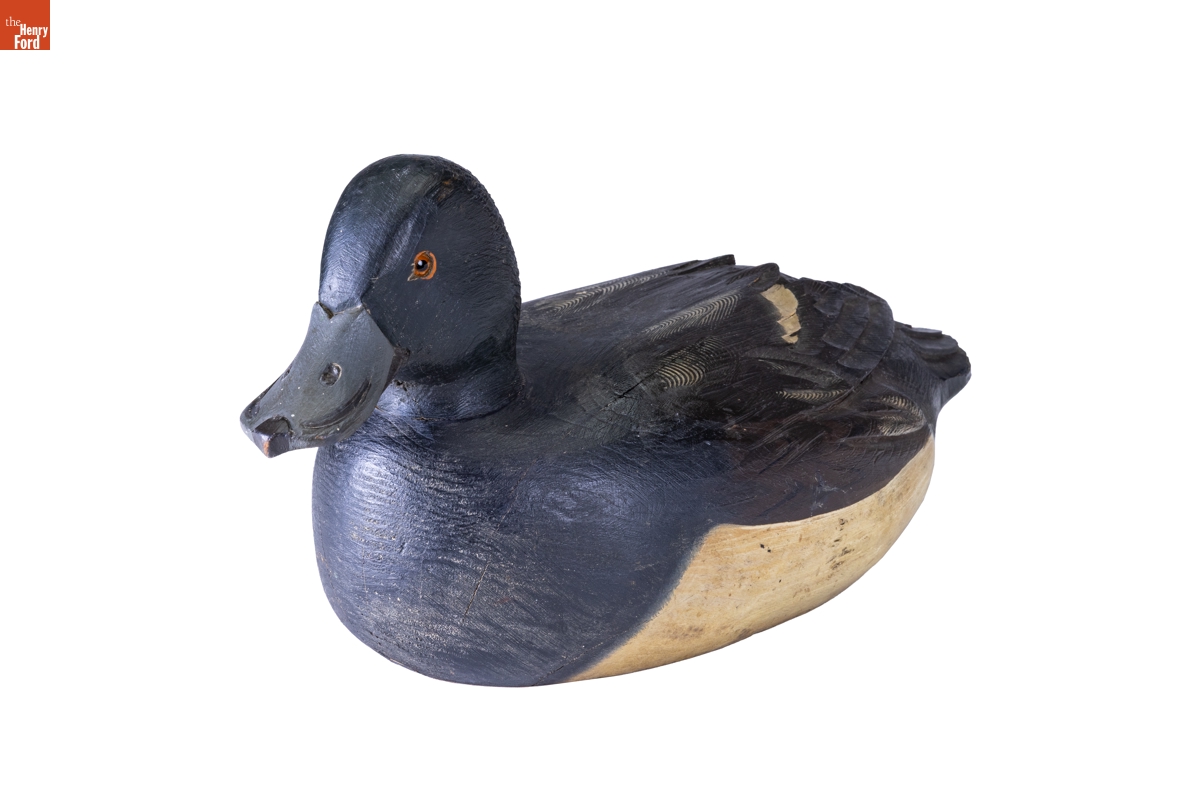
- Greater Scaup Decoy, circa 1925 -
- circa 1925
- Collections - Artifact
Greater Scaup Decoy, circa 1925
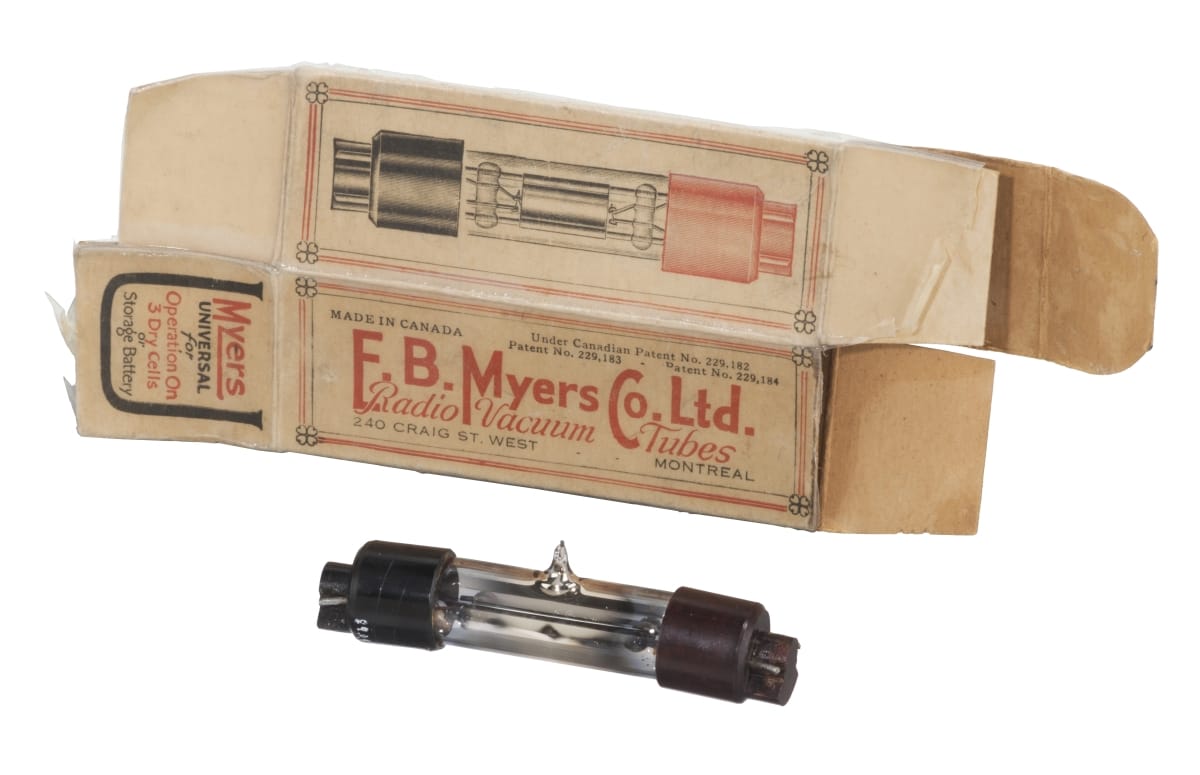
- E.B. Myers Company Ltd. Vacuum Tube with Packaging, 1922-1928 -
- 1922-1928
- Collections - Artifact
E.B. Myers Company Ltd. Vacuum Tube with Packaging, 1922-1928
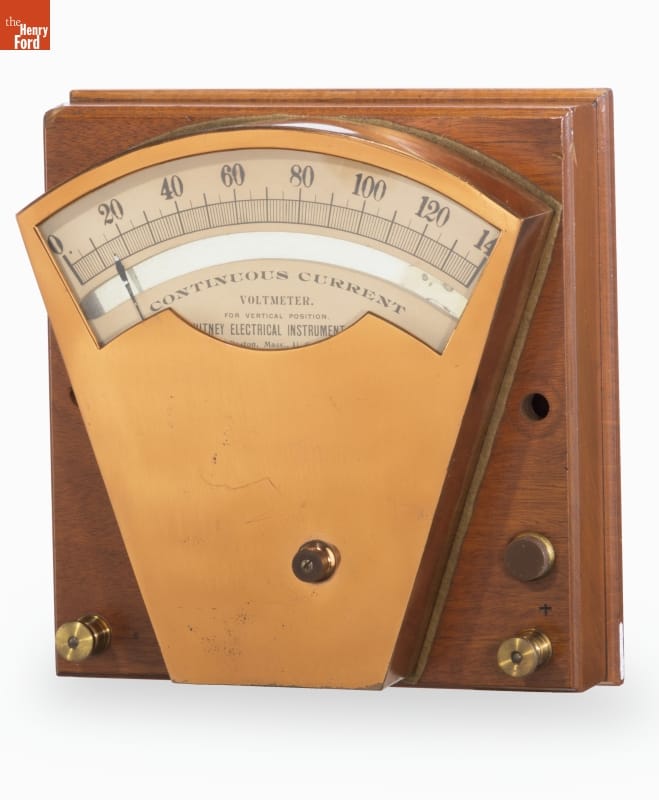
- Whitney Switchboard Voltmeter, circa 1893 -
- circa 1893
- Collections - Artifact
Whitney Switchboard Voltmeter, circa 1893
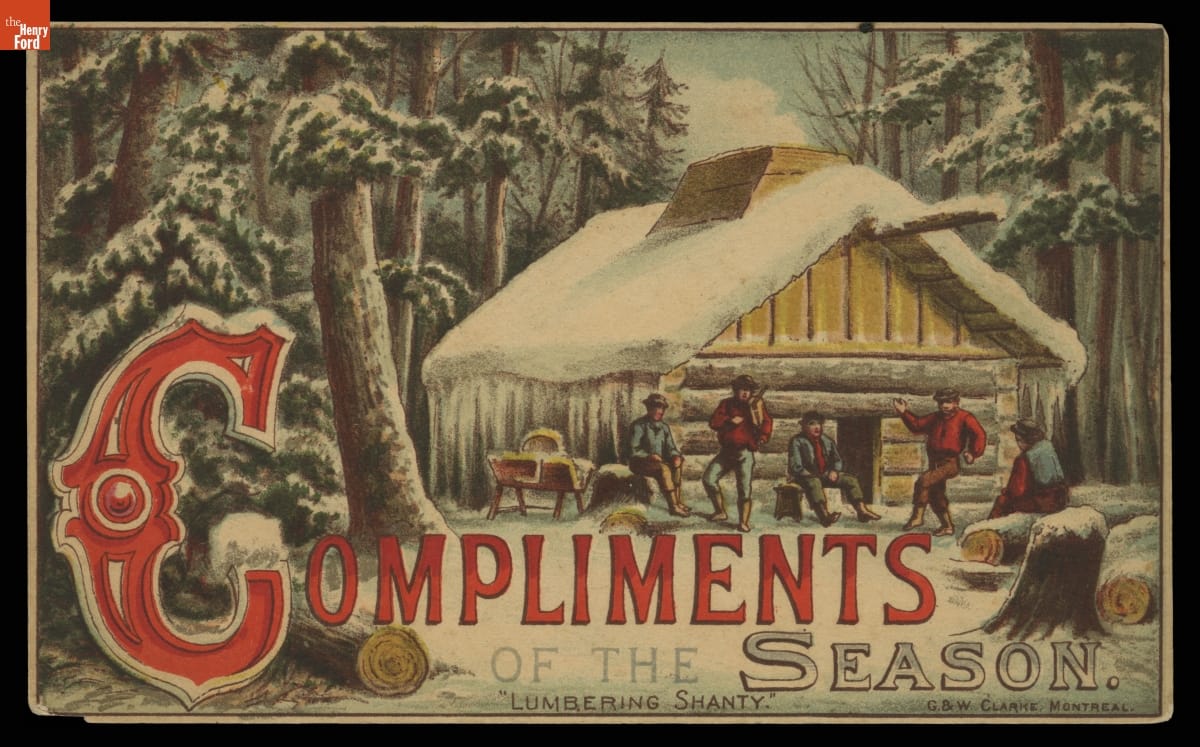
- "Compliments of the Season," circa 1875 - When commercially designed greeting cards were introduced in the second half of the 19th-century, Americans began mailing holiday cards wishing friends, family, or neighbors a merry Christmas. This early example depicts lumberjacks dancing and playing music near a snow-covered cabin in the woods.
- circa 1875
- Collections - Artifact
"Compliments of the Season," circa 1875
When commercially designed greeting cards were introduced in the second half of the 19th-century, Americans began mailing holiday cards wishing friends, family, or neighbors a merry Christmas. This early example depicts lumberjacks dancing and playing music near a snow-covered cabin in the woods.
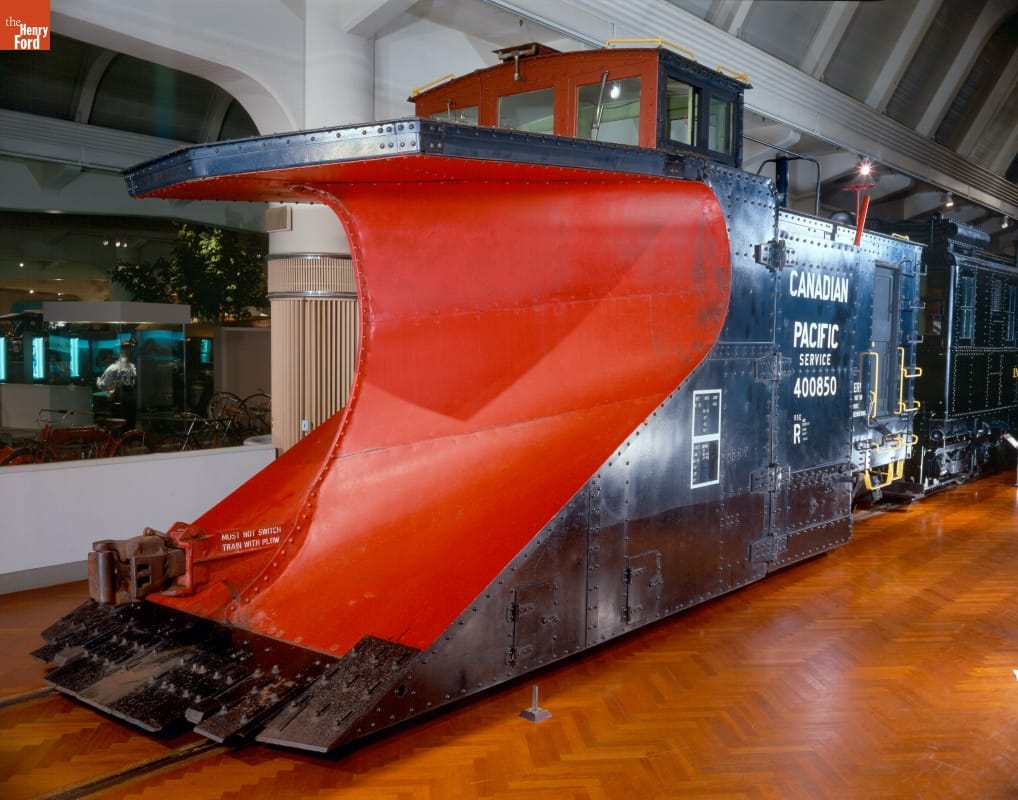
- Canadian Pacific Snowplow, 1923 - This plow was one of 36 built by Canadian Pacific Railway's Angus Shops in Montreal between 1920 and 1929. It is a 20-ton, wedge-type plow made for use on a single track. Built without a self-contained power source, the snowplow was pushed by one or two locomotives. Although they are seldom seen in action, snowplows are necessary to keep trains moving in harsh winter weather.
- September 01, 1923
- Collections - Artifact
Canadian Pacific Snowplow, 1923
This plow was one of 36 built by Canadian Pacific Railway's Angus Shops in Montreal between 1920 and 1929. It is a 20-ton, wedge-type plow made for use on a single track. Built without a self-contained power source, the snowplow was pushed by one or two locomotives. Although they are seldom seen in action, snowplows are necessary to keep trains moving in harsh winter weather.