
Search
- Flax Wheel, Made by S. Hillard, 1800-1850 -
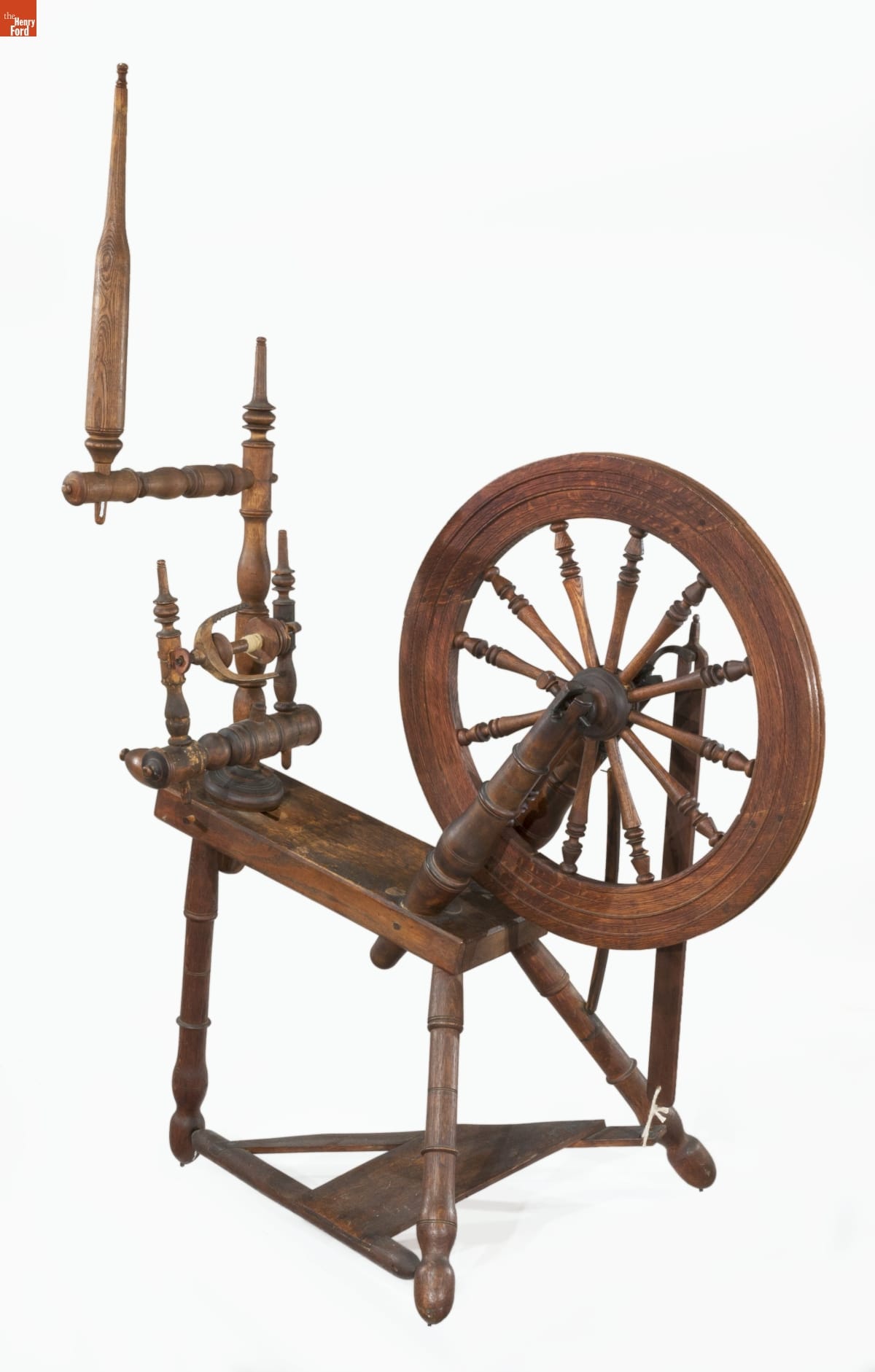
- 1800-1850
- Collections - Artifact
Flax Wheel, Made by S. Hillard, 1800-1850
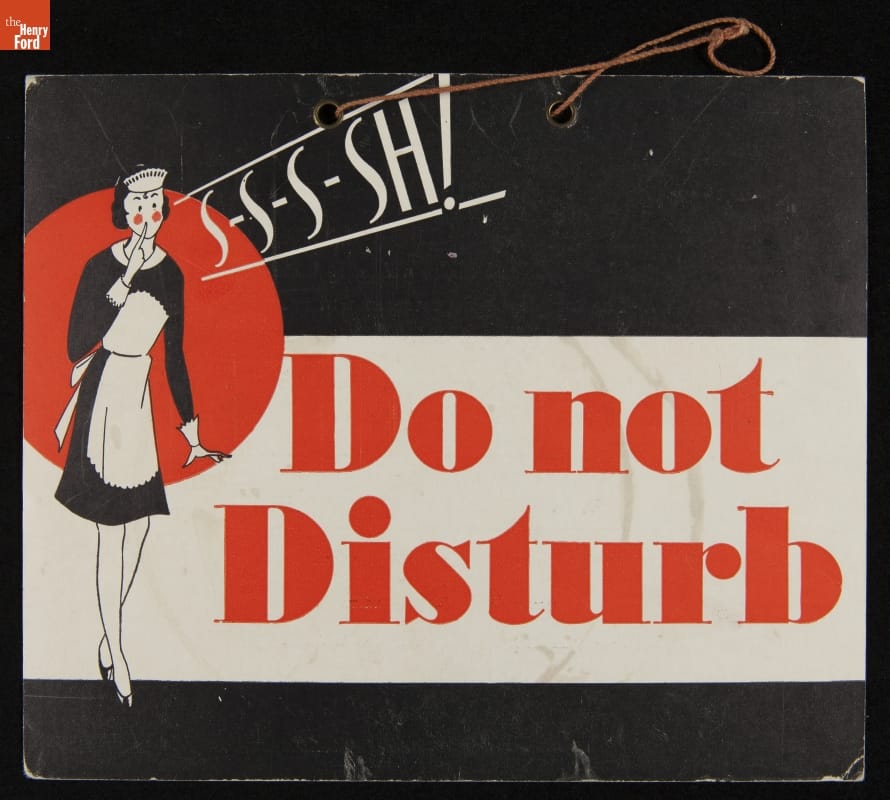
- Sign, "S-S-S-SH! Do Not Disturb," 1930-1945 - Like today, proprietors of mid-20th century hotels, motels and inns provided "Do Not Disturb" signs for weary travelers who wanted a restful stay. Guests placed the sign outside on their door to alert staff to please be quiet and not enter the room. This sign even included instructions that guests could use to stop unwanted telegrams or telephone calls.
- 1930-1945
- Collections - Artifact
Sign, "S-S-S-SH! Do Not Disturb," 1930-1945
Like today, proprietors of mid-20th century hotels, motels and inns provided "Do Not Disturb" signs for weary travelers who wanted a restful stay. Guests placed the sign outside on their door to alert staff to please be quiet and not enter the room. This sign even included instructions that guests could use to stop unwanted telegrams or telephone calls.
- S.S. Company Typewriter Spool, circa 1950 -
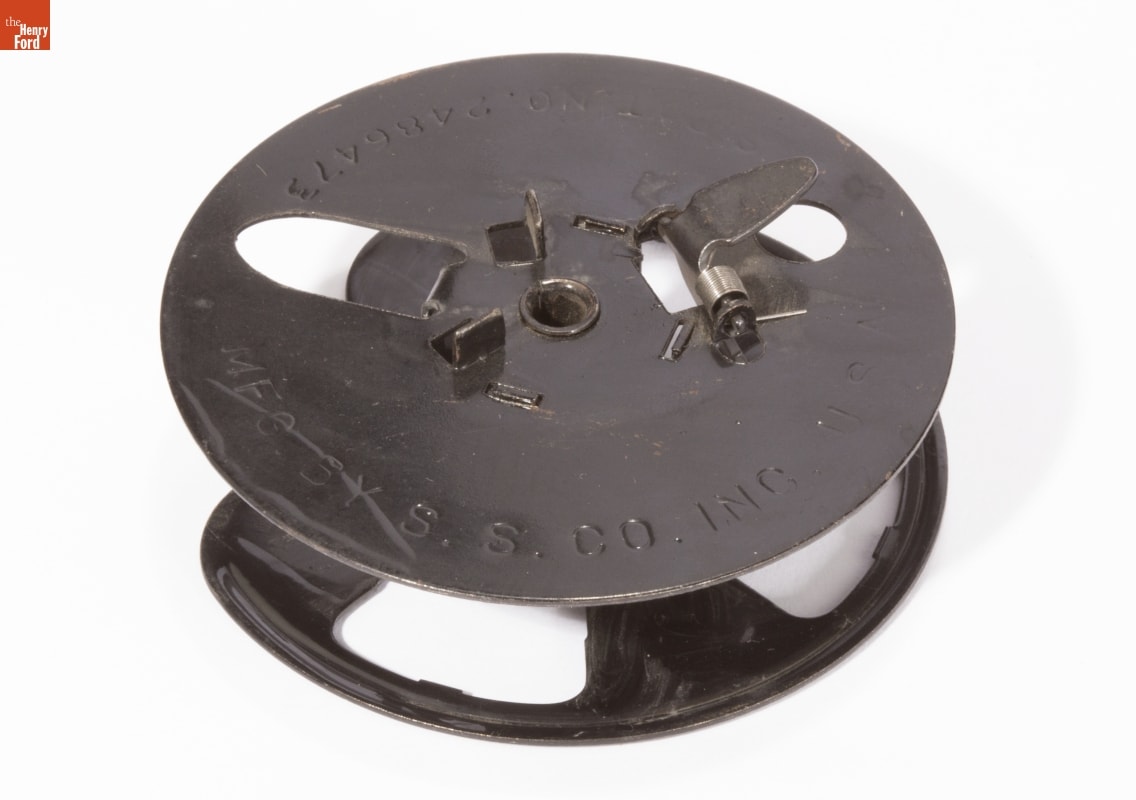
- circa 1950
- Collections - Artifact
S.S. Company Typewriter Spool, circa 1950
- S.O.S. Soap Pads, 1962-1968 -
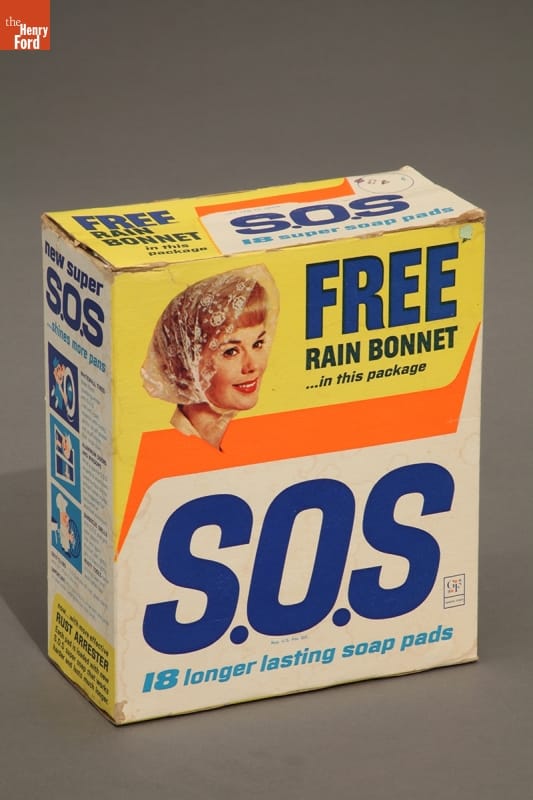
- 1962-1968
- Collections - Artifact
S.O.S. Soap Pads, 1962-1968
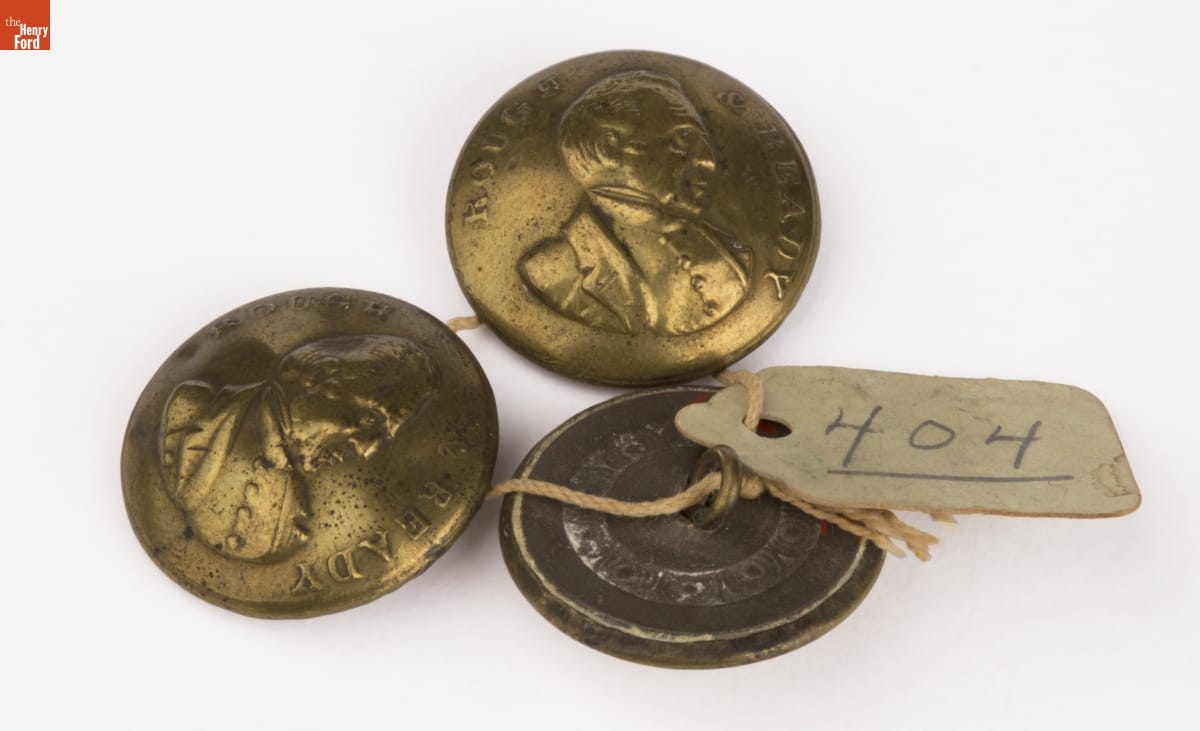
- Zachary Taylor Campaign Buttons, 1848 - Zachary Taylor served in the military most of his life and earned the nickname "Old Rough and Ready" from his men for his willingness to share in the hardships of field duty. The moniker became widespread after his victories during the Mexican-America War. In 1848, when Taylor ran for President, backers donned buttons such as these to show their support.
- 1848
- Collections - Artifact
Zachary Taylor Campaign Buttons, 1848
Zachary Taylor served in the military most of his life and earned the nickname "Old Rough and Ready" from his men for his willingness to share in the hardships of field duty. The moniker became widespread after his victories during the Mexican-America War. In 1848, when Taylor ran for President, backers donned buttons such as these to show their support.
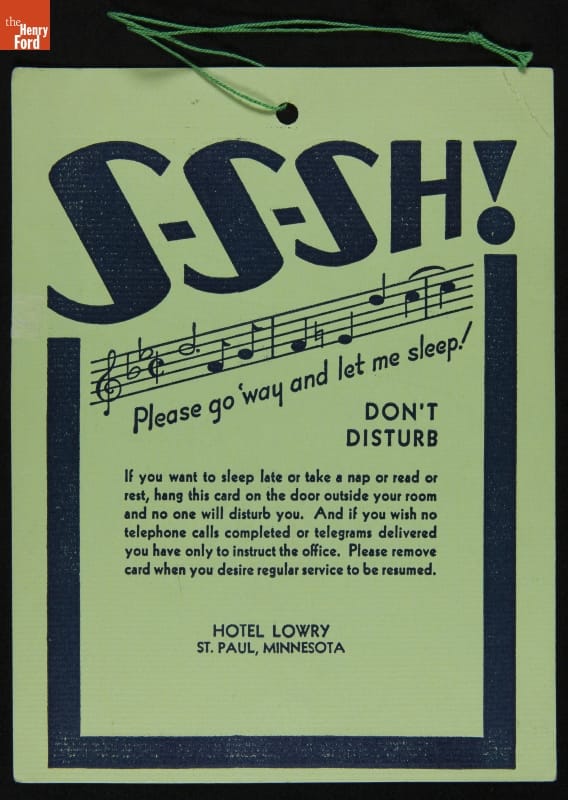
- Sign, "S-S-S-H! Please Go 'Way and Let Me Sleep!" 1938-1950 - Like today, proprietors of mid-20th century hotels, motels and inns provided "Do Not Disturb" signs for weary travelers who wanted a restful stay. Guests placed the sign outside on their door to alert staff to please be quiet and not enter the room. This sign even included instructions that guests could use to stop unwanted telegrams or telephone calls.
- 1938-1950
- Collections - Artifact
Sign, "S-S-S-H! Please Go 'Way and Let Me Sleep!" 1938-1950
Like today, proprietors of mid-20th century hotels, motels and inns provided "Do Not Disturb" signs for weary travelers who wanted a restful stay. Guests placed the sign outside on their door to alert staff to please be quiet and not enter the room. This sign even included instructions that guests could use to stop unwanted telegrams or telephone calls.
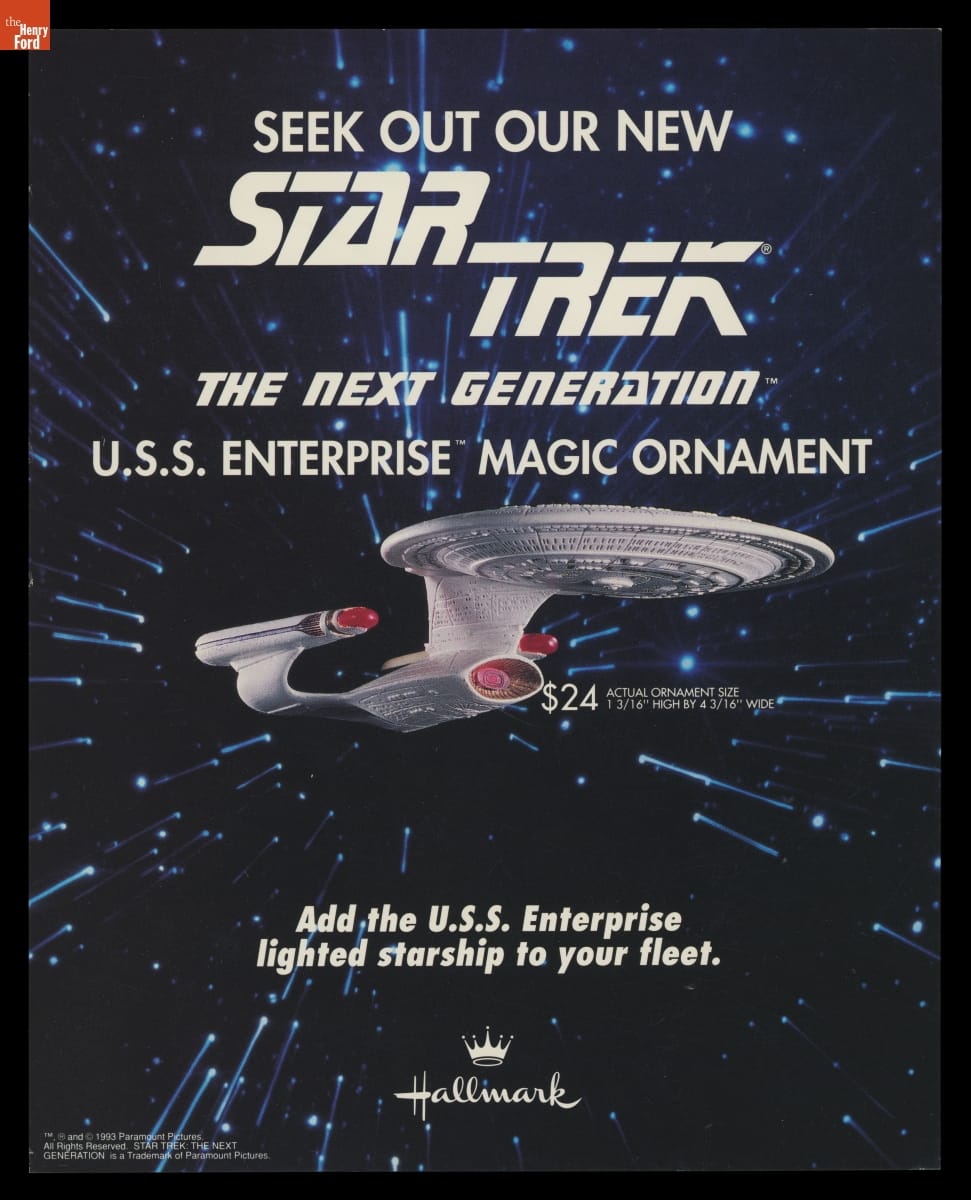
- Hallmark "U.S.S. Enterprise Magic" Poster, 1993 -
- 1993
- Collections - Artifact
Hallmark "U.S.S. Enterprise Magic" Poster, 1993
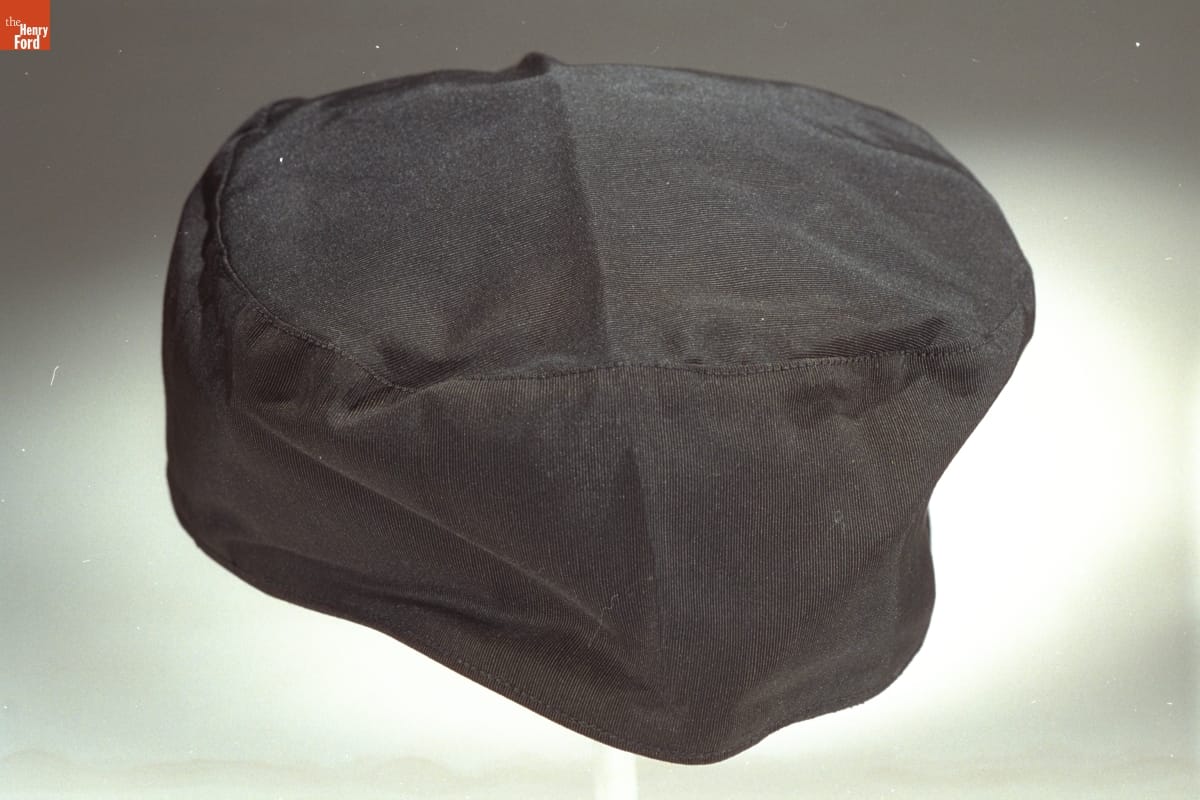
- Skullcap, 1850-1910 - During the late 1800s and early 1900s men wore simple, close-fitting, brimless caps like this when working outside or in laboratories, factories or workshops. These caps protected the hair from dirt and debris and kept the head warm.
- 1850-1910
- Collections - Artifact
Skullcap, 1850-1910
During the late 1800s and early 1900s men wore simple, close-fitting, brimless caps like this when working outside or in laboratories, factories or workshops. These caps protected the hair from dirt and debris and kept the head warm.
- Skullcap, 1850-1910 - During the late 1800s and early 1900s men wore simple, close-fitting, brimless caps like this when working outside or in laboratories, factories or workshops. These caps protected the hair from dirt and debris and kept the head warm.
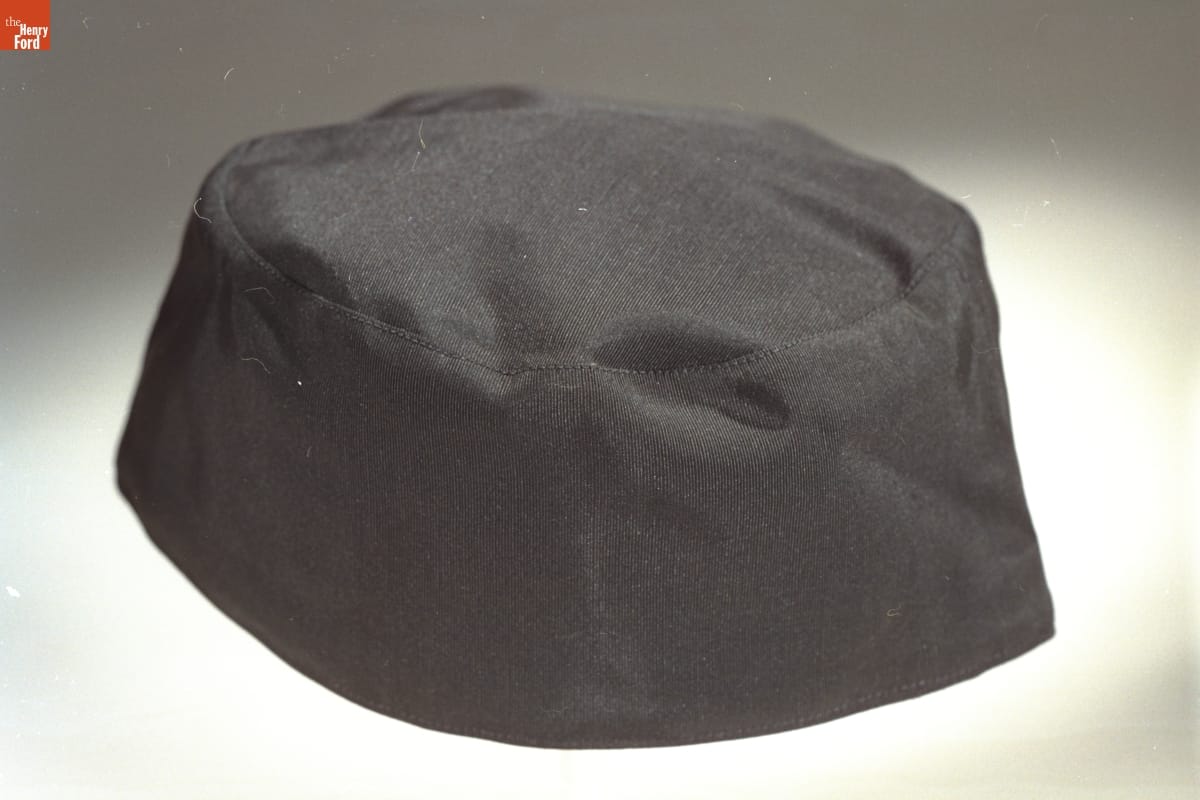
- 1850-1910
- Collections - Artifact
Skullcap, 1850-1910
During the late 1800s and early 1900s men wore simple, close-fitting, brimless caps like this when working outside or in laboratories, factories or workshops. These caps protected the hair from dirt and debris and kept the head warm.
- Skullcap, 1850-1910 - During the late 1800s and early 1900s men wore simple, close-fitting, brimless caps like this when working outside or in laboratories, factories or workshops. These caps protected the hair from dirt and debris and kept the head warm.
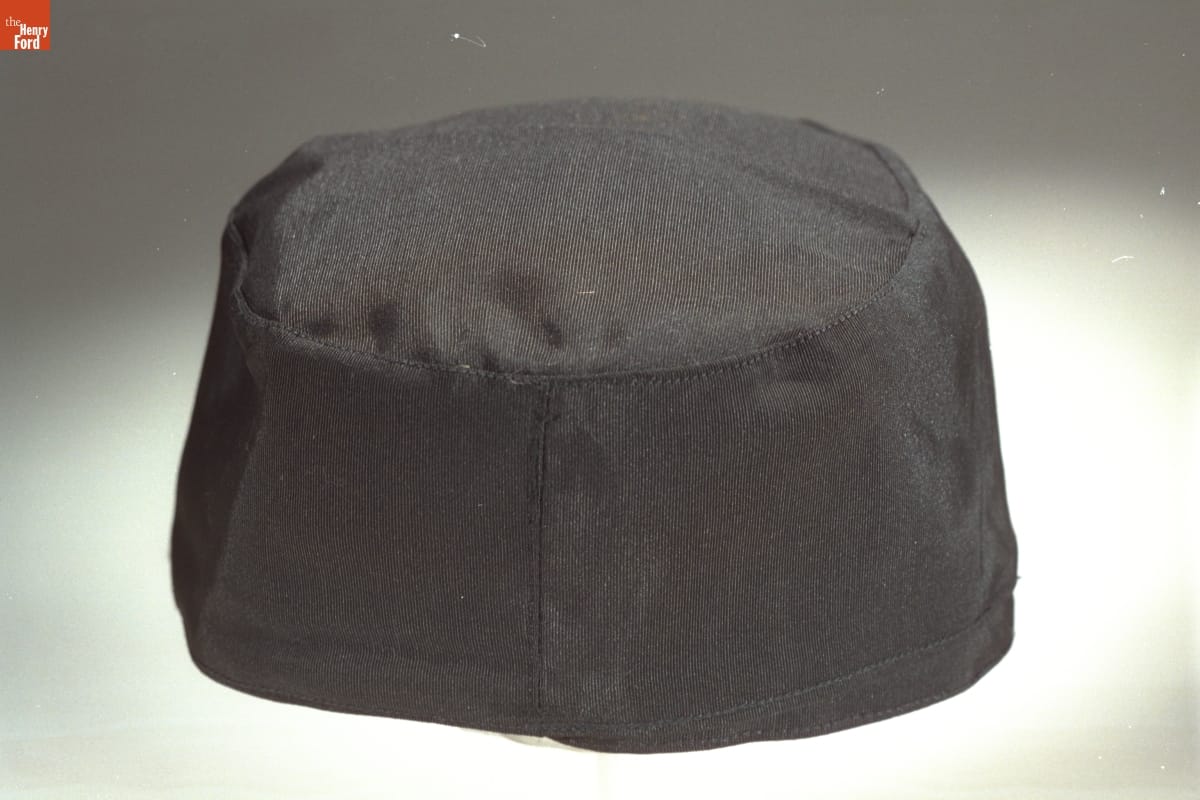
- 1850-1910
- Collections - Artifact
Skullcap, 1850-1910
During the late 1800s and early 1900s men wore simple, close-fitting, brimless caps like this when working outside or in laboratories, factories or workshops. These caps protected the hair from dirt and debris and kept the head warm.